Social Media for Toronto Restaurants & Cafes: A Practical Guide
A practical social media guide for Toronto restaurants and cafes. Instagram strategy, TikTok, local influencers, UGC, and seasonal content that works.
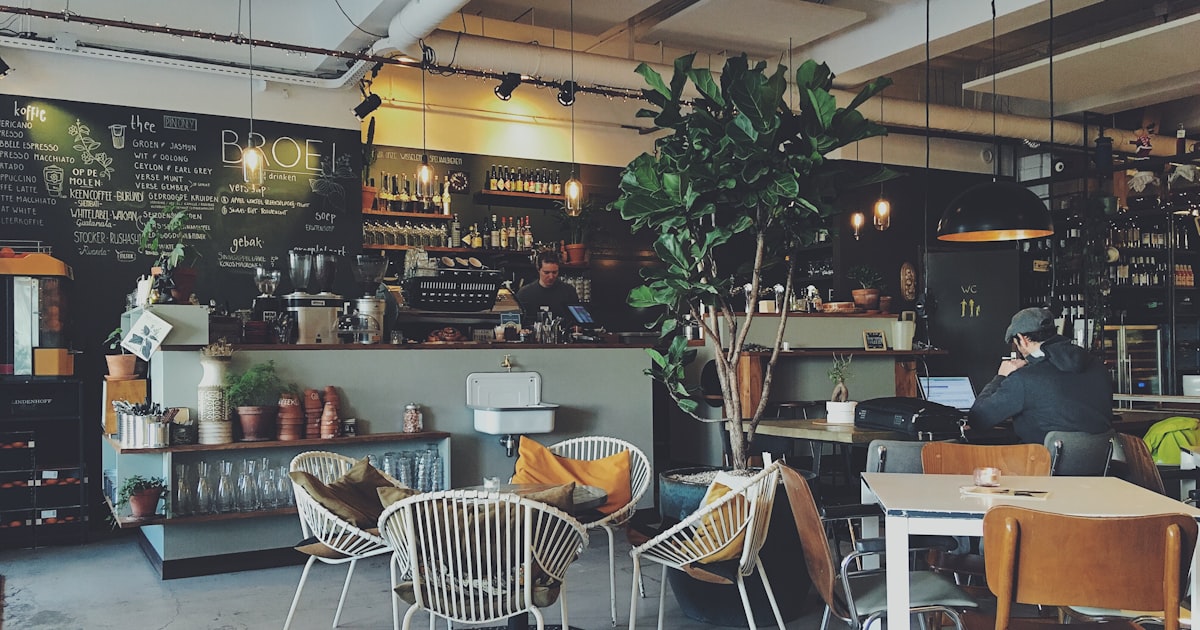
Social media marketing for Toronto restaurants and cafes is built on one fundamental truth: people eat with their eyes first, and in 2026, those eyes are on Instagram, TikTok, and Google. A strong social media presence does not just build brand awareness for your restaurant — it directly drives reservations, walk-ins, and online orders. Research from MGH found that 45% of diners have tried a restaurant for the first time because of a social media post, and in a food-obsessed city like Toronto, that number is likely even higher.
The Toronto food scene is one of the most vibrant and competitive in North America. From the ramen shops on Dundas West to the brunch spots in Leslieville, the tasting menus in Yorkville to the bakeries in Kensington Market, every restaurant is competing for attention on the same platforms. The restaurants that win are not necessarily the ones with the biggest budgets — they are the ones with the most consistent, authentic, and strategic social media presence.
Instagram strategy for Toronto restaurants
Instagram remains the primary social media platform for restaurant marketing. It is visual, it is where food culture lives, and it is where Toronto diners go to discover their next meal.
Content pillars for restaurant Instagram
The most effective restaurant Instagram accounts organize their content around four to five recurring themes. This creates variety while maintaining consistency.
Hero food shots: Your signature dishes, beautifully photographed with natural light. These are your money shots — the posts that make someone stop scrolling and think "I need to eat there." Invest in learning food photography basics or hire a photographer for a quarterly shoot. Overhead flat lays, close-up texture shots, and action shots (cheese pulls, sauce drizzles, steam rising) all perform well.
Behind the scenes: Show your kitchen in action, your chef prepping ingredients, your barista perfecting latte art, your team setting up for service. This content humanizes your brand and creates an emotional connection that polished food photos alone cannot achieve. Instagram Stories and Reels are the ideal format for this kind of raw, unfiltered content.
Customer content (UGC): When customers post photos of your food and tag your restaurant, repost that content (with credit). User-generated content is powerful because it provides social proof — real people, not your marketing team, showing that they love your restaurant. More on this below.
Local and seasonal content: Connect your food to the rhythms of Toronto. A post about your new fall menu timed with the leaves changing in High Park. A reel about your patio opening for the season. A story about sourcing ingredients from the Ontario Food Terminal. This roots your brand in the local culture that Toronto diners care about.
Team and personality: Introduce your staff, share your chef's story, post about team celebrations. The restaurants that build the strongest followings are the ones that feel like they are run by real people, not faceless businesses.
Posting frequency and timing
Post to your Instagram feed three to five times per week. Post to Stories daily. Consistency matters more than volume — it is better to post three high-quality photos per week than seven mediocre ones.
For Toronto restaurants, the highest engagement times are typically Tuesday through Thursday between 11 a.m. and 1 p.m. (the lunch consideration window) and 5 p.m. to 7 p.m. (the dinner planning window). Weekend mornings perform well for brunch-focused restaurants. Test and adjust based on your own analytics — Instagram Insights shows you exactly when your audience is most active.
Hashtag strategy
Use a mix of broad and local hashtags. Broad food hashtags (#foodporn, #instafood) have massive reach but intense competition. Local hashtags connect you with Toronto diners who are actually going to visit your restaurant.
Effective Toronto restaurant hashtags include: #TorontoFood, #TorontoEats, #TOfoodie, #TorontoRestaurants, #EatLocalTO, and neighborhood-specific tags like #KensingtonMarket, #QueenWestEats, #OssingtonStrip, #LeslievilleFood, #DanforthEats, and #KingWestTO. Create a branded hashtag for your restaurant and encourage customers to use it.
TikTok for restaurants: short-form video that drives walk-ins
TikTok has become a genuine discovery platform for restaurants. The platform's algorithm surfaces content based on engagement rather than follower count, which means a single well-made video from a new account can reach hundreds of thousands of viewers. Multiple Toronto restaurants have gone viral on TikTok and seen immediate, measurable spikes in reservations and walk-in traffic.
What works on TikTok for restaurants
Process videos: Show a dish being made from start to finish in 30 to 60 seconds. The satisfaction of watching skilled hands assemble a beautiful plate is inherently engaging. Cheese being stretched, sauces being drizzled, garnishes being placed — these moments are TikTok gold.
POV content: "POV: You're having dinner at restaurant name" — walk viewers through the entire experience from entering the door to the final bite. This format consistently performs well because it lets potential diners visualize themselves in your space.
Staff personality: Let your team's personalities shine. A server explaining their favorite dish, a bartender making a signature cocktail while explaining each ingredient, your chef taste-testing a new creation. Authentic personality resonates on TikTok far more than polished production.
Trend participation: When a relevant TikTok trend emerges (a trending audio, a format, a challenge), adapt it to your restaurant quickly. Speed matters on TikTok — trends have a short lifespan, and participating early gets more visibility.
Keep your TikTok videos between 15 and 60 seconds, use trending audio when it fits naturally, and post three to five times per week. The content does not need to be professionally shot — smartphone video with good lighting and steady hands is the standard.
User-generated content: your best marketing asset
User-generated content (UGC) is the most authentic marketing any restaurant can have. When a real customer photographs their meal and shares it on Instagram, that carries more credibility than any ad you could create.
Encouraging UGC
Make your restaurant photo-friendly. Good lighting (natural light near windows, not harsh overhead fluorescents), photogenic plating, and visually interesting table settings or interiors all encourage customers to pull out their phones. Consider an "Instagrammable" design element — a feature wall, a unique serving presentation, neon signage — that gives customers something they want to photograph and share.
Include your Instagram handle on your menu, on table cards, and on your receipts. A gentle prompt like "Share your experience @yourrestaurant #YourHashtag" makes it easy for customers to tag you. Some Toronto restaurants offer a small incentive — a free dessert or a discount on the next visit — for customers who post and tag, though this should feel like a thank-you rather than a transaction.
Leveraging UGC
Repost customer content to your feed and Stories with credit. This serves double duty: it provides you with free, authentic content, and it makes the original poster feel valued (increasing the chance they will return and post again). Create a highlight reel of UGC on your Instagram profile.
Embed the best UGC photos on your website as social proof. Seeing real customer photos alongside your professional shots builds trust with potential diners who are comparing options.
Local influencer partnerships
Toronto has a thriving food influencer community, from micro-influencers with 5,000 followers to major accounts with 200,000+. Partnering with the right influencers can put your restaurant in front of a targeted, engaged local audience.
Choosing the right influencers
Follower count is less important than audience quality and engagement rate. A Toronto food blogger with 8,000 highly engaged local followers will drive more actual diners to your restaurant than a national lifestyle influencer with 100,000 followers scattered across the country. Look for influencers whose audience matches your target diner — neighborhood, cuisine preference, price point, and dining occasion.
Check engagement rates (likes plus comments divided by followers). Anything above 3% is good; above 5% is excellent. Scroll through their comments to see if their audience is genuinely engaged or if the engagement looks artificial.
Structuring influencer partnerships
The most common arrangement is a complimentary meal in exchange for social media coverage. For larger influencers or more extensive campaigns, paid partnerships are normal and can range from $200 to $2,000+ depending on the influencer's reach and deliverables. Always agree on deliverables in advance: number of posts, Stories, Reels, timeline, and whether they will tag your location and account.
Invite influencers for a genuine dining experience rather than a staged photo shoot. The best influencer content comes from real experiences, not scripted moments. Some of the most successful Toronto restaurant-influencer partnerships are ongoing relationships — a food blogger who becomes a regular and genuinely loves your food will advocate for your restaurant more authentically than a one-time paid post.
Responding to reviews and comments
Social media is a two-way channel. How you respond to comments, DMs, and reviews shapes your brand as much as what you post.
Positive reviews and comments
Respond to every positive comment and review with a genuine, personalized thank-you. Avoid generic replies like "Thanks for visiting!" Reference something specific from their comment: "So glad you loved the lamb shank — it is one of our chef's favorites too." This level of engagement builds relationships and signals to other potential diners that you care about your customers.
Negative reviews and complaints
Negative feedback is inevitable in the restaurant industry. How you handle it publicly matters enormously. Respond promptly (within 24 hours), acknowledge the issue without being defensive, and move the conversation to a private channel (DM or email) to resolve it. A response like "We are sorry your experience did not meet our standards. We would love to make this right — please DM us so we can discuss" demonstrates professionalism.
Never argue publicly, never delete legitimate criticism (unless it violates platform guidelines), and never ignore negative feedback. Future customers reading your reviews will judge you more by how you handle complaints than by the complaints themselves.
Seasonal content calendar for Toronto restaurants
Plan your social media content around Toronto's food and cultural calendar.
- January-February: Winterlicious content, comfort food features, warm drinks, cozy interior shots
- March-April: Spring menu teasers, patio countdown, Easter brunch promotion
- May-June: Patio season launch, Summerlicious prep, Pride Toronto (especially for restaurants in the Village and Church-Wellesley corridor)
- July-August: Patio highlights, Taste of the Danforth (for Danforth restaurants), summer cocktails, CNE season, Caribana weekend
- September-October: Fall menu launch, TIFF (Toronto International Film Festival) dining, Nuit Blanche, Thanksgiving features
- November-December: Holiday party menus, gift card promotion, New Year's Eve reservations, cozy winter ambiance
Build your content calendar two to four weeks in advance, but leave room for spontaneous content — a beautiful sunrise over your patio, a surprise visit from a notable diner, or an unexpectedly perfect dish that deserves to be photographed.
For a comprehensive social media strategy built around your restaurant's specific brand and goals, explore our social media services or book a free consultation.
Key takeaways
- Instagram is the primary platform for restaurant marketing — post three to five times per week to your feed and daily to Stories, using a mix of food photography, behind-the-scenes content, UGC, and local seasonal content.
- TikTok is a powerful discovery platform where a single video can go viral and drive immediate foot traffic. Focus on process videos, POV content, and authentic staff personality.
- User-generated content is your most credible marketing asset. Make your restaurant photo-friendly and actively encourage, collect, and repost customer content.
- Partner with Toronto food influencers based on engagement rate and audience quality, not follower count. Micro-influencers with engaged local followers often deliver better ROI.
- Respond to every review and comment — positive and negative. Your public responses shape your brand reputation as much as your posts do.
- Plan content around Toronto's food and cultural calendar — Summerlicious, Winterlicious, TIFF, Taste of the Danforth, and seasonal transitions.
- Consistency beats perfection. A steady stream of good content will always outperform occasional bursts of polished content followed by weeks of silence.
Frequently asked questions
How much should a Toronto restaurant spend on social media marketing?
Most independent Toronto restaurants spend between $1,000 and $3,000 per month on social media marketing, including content creation, community management, and a modest paid promotion budget. A portion of that typically goes toward professional photography (quarterly shoots of $500 to $1,500) and influencer partnerships ($200 to $1,000 per collaboration). You can start with less by creating content in-house using smartphones and natural light, then invest in professional support as you see results. Our social media plans are structured to give restaurants a dedicated team for a predictable monthly cost.
Should my restaurant be on TikTok?
If your target audience includes anyone under 40, yes. TikTok has become a primary restaurant discovery platform, and its algorithm gives new accounts a real chance at visibility without requiring a large existing following. The content does not need to be professionally produced — smartphone video with good lighting is the standard. Start with three videos per week and experiment with formats: process videos, POV dining experiences, and staff personality content. Many Toronto restaurants report that TikTok has become their single most effective channel for attracting new, first-time diners.
How do I get more customers to post about my restaurant on social media?
Make your restaurant visually worth photographing — good lighting, attractive plating, interesting decor elements, and unique serving presentations all encourage phone cameras. Display your Instagram handle and branded hashtag on menus, table cards, and receipts. Train staff to mention your social media when a customer compliments a dish: "We would love it if you shared that on Instagram — our handle is on the menu." Some restaurants offer a small incentive (a complimentary dessert or a 10% discount on the next visit) for tagged posts, which can accelerate UGC volume significantly.
How important are Google reviews compared to social media reviews?
Google reviews are critical for local search visibility — they directly influence whether your restaurant appears in Google Maps results when someone searches "restaurants near me." Social media reviews and comments influence brand perception but have less direct impact on search rankings. You need both. Focus on building your Google review count and maintaining a high rating (4.5+ stars) while simultaneously cultivating an engaged social media community. Respond to reviews on both platforms. For a comprehensive approach to local search, pair your social media efforts with our SEO services.
Can I manage my restaurant's social media myself or should I hire help?
You can manage it yourself if you have the time and consistency to post three to five times per week, respond to comments and DMs daily, and stay current with platform trends. Many restaurant owners start by managing their own accounts and do well — the authentic, behind-the-scenes content that comes from the owner or chef is often the most engaging. However, most restaurant owners find that consistency suffers when the demands of running a restaurant inevitably take priority. A dedicated social media team ensures your accounts stay active and strategic even during your busiest periods, while you focus on what you do best — the food.
More Social Media resources
View all resources
How to Repurpose Long-Form Video Into Social Media Content (Step by Step)
A complete guide to turning webinars, podcasts, and long videos into short-form clips for Instagram Reels, TikTok, YouTube Shorts, and more — with practical workflows, tools, and examples.

How Much Does Social Media Management Cost in 2026? A Realistic Breakdown
A detailed breakdown of social media management pricing in 2026 — freelancers, agencies, in-house teams, and subscription platforms compared with real numbers and what you actually get.

How to Build a Brand Community on Social Media That Drives Real Loyalty
A strategic guide to building an engaged community around your brand on social media that goes beyond vanity metrics.
Grow your business with Social Media
Ready to put these social media strategies into action? Let Fieldgates handle it for you.