Restaurant Website Design in Toronto: What Actually Converts in 2026
What Toronto restaurants need from their website to convert visitors into diners. Online ordering, reservations, mobile design, and common mistakes to avoid.

A restaurant website in Toronto needs to do three things exceptionally well: show your food, make it easy to book or order, and load fast on a phone. That sounds simple, but the majority of restaurant websites in the GTA fail at one or more of these fundamentals. In a city with over 8,500 restaurants competing for diners, your website is often the deciding factor between a full dining room and an empty one.
The data backs this up. According to a 2024 OpenTable survey, 77% of diners visit a restaurant's website before deciding where to eat. If your website is slow, confusing, or has an outdated PDF menu, you are losing customers to the restaurant down the street that made the process effortless.
Why most Toronto restaurant websites fail
Walk through the websites of 20 random Toronto restaurants and you will notice the same problems again and again. Understanding these common failures is the first step to building something better.
The PDF menu problem
A PDF menu is the single most common mistake on restaurant websites. It seems convenient — you already have the file, so why not upload it? Because on a mobile phone, a PDF menu is a terrible experience. It requires downloading, zooming, scrolling sideways, and often loads slowly. Google also cannot easily index PDF content for search, which means your menu items are invisible to people searching for "best pad thai near me" or "gluten-free restaurant Toronto."
Replace PDF menus with a native HTML menu page. Structure your menu with clear categories, descriptions, prices, and dietary icons (vegan, gluten-free, halal). This is better for users, better for SEO, and easier to update when your seasonal menu changes.
Slow load times kill hungry visitors
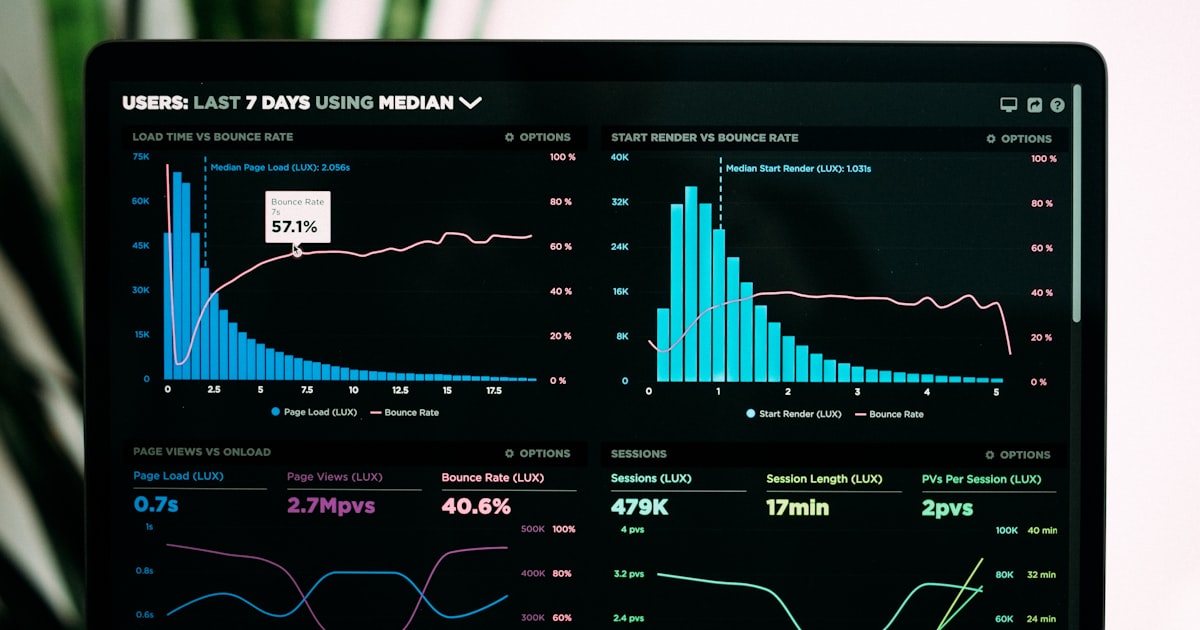
A hungry person searching for a restaurant on their phone has no patience. Google data shows that 53% of mobile visitors abandon a site that takes longer than three seconds to load. Restaurant websites are particularly vulnerable because they tend to be image-heavy. Large, uncompressed photos of your dishes might look beautiful on your designer's monitor, but they destroy your load time on a mobile connection.
Every image on your site should be compressed and served in modern formats like WebP. Use lazy loading so images below the fold do not slow down the initial page load. Your website should score 80+ on Google PageSpeed Insights for mobile — anything less is costing you customers.
Missing or broken online ordering
The Toronto restaurant industry has been permanently reshaped by delivery and online ordering. Third-party platforms like Uber Eats, DoorDash, and SkipTheDishes take 15 to 30 percent commission on every order. A direct online ordering system on your website lets you keep that revenue while giving customers a seamless experience.
If you offer delivery or takeout, your website must have integrated online ordering. Not a link to a third-party app — an integrated system on your own domain. This keeps customers on your site, protects your margins, and gives you direct access to customer data for email marketing and loyalty programs.
The essential elements of a restaurant website that converts
Based on what actually works for Toronto restaurants, here is what your website needs.
Mobile-first design is non-negotiable
Over 70% of restaurant website visits come from mobile devices, according to industry data. Your website must be designed for phones first, then adapted for desktop — not the other way around. This means large tap targets for buttons, readable text without zooming, a prominent "Order Now" or "Reserve a Table" button visible without scrolling, and a phone number that dials on tap.
Test your website on an actual phone, not just a desktop browser's responsive preview. Walk through the entire journey: finding your menu, placing an order, making a reservation, getting directions. If any step requires more than two taps, redesign it.
Reservation system integration
For dine-in restaurants, an integrated reservation system is essential. Whether you use OpenTable, Resy, or a built-in booking widget, the reservation flow should be embedded directly in your website — not a link that opens a new tab. Every additional click or redirect is a point where potential diners abandon the process.
Display your reservation widget prominently. Many successful Toronto restaurants place it above the fold on the homepage, in the navigation bar, and on a dedicated reservations page. Make it impossible to miss.
Photography that sells
Food photography is the most important visual element on a restaurant website. This is not the place for stock photos or amateur iPhone shots taken under fluorescent lighting. Professional food photography is an investment that pays for itself — restaurants with high-quality food imagery see measurably higher engagement and conversion rates.
Invest in a professional shoot that captures your signature dishes, your dining room atmosphere, and your kitchen in action. Update the photos when your menu changes significantly. If you host events, seasonal menus (think Winterlicious or Summerlicious), or private dining, photograph those experiences too.
Location, hours, and contact information
This sounds obvious, but a surprising number of restaurant websites bury this information. Your address, hours of operation, and phone number should be visible on every page — either in a persistent header or footer. Include an embedded Google Map so diners can get directions instantly.
For restaurants with multiple Toronto locations — say one in the Distillery District and another in Yorkville — create a dedicated page for each location with its own address, hours, and embedded map. This also helps your local SEO by giving Google clear signals about each location.
Story and atmosphere
Toronto diners care about the story behind their food. Whether you are a family-owned Italian trattoria in Little Italy, a modern Korean fusion spot on Ossington, or a farm-to-table bistro in Leslieville, your website should communicate who you are and what makes you different. An "About" section with your story, your chef's background, and your sourcing philosophy helps diners connect with your brand before they walk through the door.
Competing with third-party delivery apps
Third-party delivery platforms are a reality of the Toronto restaurant industry. You cannot ignore them, but you can stop letting them own your customer relationships. Your website strategy should focus on driving direct orders and reservations while using delivery apps as a discovery channel.
Building direct ordering into your website
Platforms like Square Online, ChowNow, and Bento integrate directly into your website, allowing customers to order without leaving your domain. You keep more of the revenue, you collect customer email addresses, and you control the experience. Promote direct ordering through your social media channels and in-restaurant signage to shift customers from third-party apps to your website over time.
Loyalty and repeat visits
Your website can support loyalty programs that third-party apps cannot replicate. Offer incentives for direct orders — a free appetizer after five online orders, early access to special menus, or exclusive event invitations. Capture email addresses through your ordering system and use email marketing to drive repeat visits with personalized offers, birthday promotions, and seasonal announcements.
SEO for restaurant websites in Toronto
A beautiful website that nobody can find is a wasted investment. Restaurant SEO focuses on making sure your site appears when Toronto diners search for what you serve.
Local search optimization
Claim and optimize your Google Business Profile with accurate information, high-quality photos, and regular updates. Encourage happy diners to leave Google reviews — restaurants with 200+ reviews and a 4.5+ rating dominate local search results in competitive Toronto neighborhoods like King West, Queen West, and the Danforth.
Menu and content SEO
Structure your menu as indexable HTML content with descriptive text. A page that says "Grilled Atlantic Salmon — pan-seared with seasonal vegetables, lemon butter sauce, $28" is far more useful to Google than a PDF image. Create blog content around your cuisine, your ingredients, and your events. A post about "The Best Wines to Pair With Italian Food in Toronto" or "What Makes Authentic Neapolitan Pizza" builds topical authority and drives organic traffic.
For a comprehensive local search strategy, explore our SEO services and see how we approach local optimization for Toronto businesses.
Seasonal and event-driven design
Toronto's restaurant scene is heavily influenced by seasonal events and city-wide dining programs. Your website needs to accommodate these seamlessly.
Summerlicious and Winterlicious
Toronto's prix fixe dining events draw tens of thousands of diners. If your restaurant participates, create a dedicated landing page for the event with your special menu, pricing, and a direct reservation link. This page should go live well before the event starts to capture early search traffic. After the event, keep the page up (updated with a note that the event has ended) so it retains its search ranking for next year.
Private dining and events
If you offer private dining, catering, or event hosting, these services need their own pages — not just a mention in a sidebar. Private event inquiries are high-value leads, and a dedicated page with capacity information, sample menus, photos, and a contact form gives potential clients the information they need to reach out.
Seasonal menu updates
Your website must be easy to update. If changing your menu requires a web developer, something is wrong. A well-built restaurant website has a simple content management system that lets you swap menu items, update prices, and add seasonal specials in minutes. This is a core part of what we build into every restaurant site — our web design services include CMS setup specifically so you are never dependent on a developer for routine changes.
What a restaurant website redesign costs in Toronto
Restaurant website design in Toronto typically ranges from $5,000 to $20,000 for a custom build, depending on complexity. A single-location restaurant with a standard menu, reservation integration, and online ordering will fall toward the lower end. Multi-location restaurants, extensive online ordering systems, or sites with custom features like event booking or loyalty program integration will be higher.
Avoid template-based solutions that look like every other restaurant website. Your brand and dining experience are unique — your website should reflect that. At Fieldgates, our subscription model includes the initial design and build plus ongoing updates, so you are not paying a separate fee every time you need to update your menu or add an event page. You can view our plans for details on what is included.
Key takeaways
- Replace PDF menus with native HTML menu pages that work on mobile and are indexable by search engines.
- Design for mobile first — over 70% of your visitors are on phones, and they are hungry and impatient.
- Integrate online ordering directly into your website to protect your margins from third-party delivery app commissions.
- Invest in professional food photography — it is the most impactful visual element on your site.
- Make reservation booking, contact information, and directions impossible to miss on every page.
- Build dedicated landing pages for seasonal events like Summerlicious and Winterlicious to capture time-sensitive search traffic.
- Use your website as the hub for customer loyalty and direct relationships that third-party platforms cannot replicate.
Frequently asked questions
How long does it take to build a restaurant website in Toronto?
A custom restaurant website typically takes four to eight weeks from initial discovery to launch. This includes strategy and planning, design, development, content creation, and testing. If you need online ordering integration or a reservation system, add a week or two for setup and testing. Rush timelines are possible but generally produce a better result when the process is not compressed. Get in touch to discuss your timeline.
Should my restaurant website include online ordering?
If you offer takeout or delivery, yes — absolutely. An integrated online ordering system on your own website lets you avoid the 15 to 30 percent commissions charged by third-party delivery platforms. Even if you still list on those platforms for discovery, driving direct orders through your website protects your margins significantly. Over a year, a busy Toronto restaurant can save $20,000 to $50,000 in commission fees by shifting even a portion of orders to their direct channel.
How important is SEO for a restaurant website?
Very. Local search is how most diners in Toronto discover new restaurants. When someone searches "Thai restaurant near me" or "best brunch in Leslieville," Google decides which restaurants to show based on local SEO signals — your Google Business Profile, your website content, your reviews, and your site's technical health. A well-optimized restaurant website can appear in both the Google Maps 3-pack and the organic results, giving you two opportunities to capture a diner's attention. Learn more about how we approach this through our SEO services.
Do I need a blog on my restaurant website?
A blog is not essential for every restaurant, but it provides meaningful SEO and engagement benefits. Posts about your sourcing philosophy, chef profiles, seasonal menu inspiration, wine pairings, or Toronto food events build topical authority and give Google fresh content to index. If you participate in events like Taste of the Danforth or Toronto Food & Wine Festival, blog content around those events captures search traffic. The key is quality over quantity — one well-written post per month is better than four thin posts that nobody reads. Our content marketing team can handle this for you if writing is not your focus.
What platform should I use for my restaurant website?
The best platform depends on your specific needs. WordPress with WooCommerce is a strong choice for restaurants that want full control over design and online ordering. Squarespace works for simpler sites but is limiting for advanced functionality. We recommend avoiding platforms that lock you into proprietary systems where you cannot move your content if you change providers. Whatever platform you choose, make sure it supports fast load times, mobile responsiveness, and easy menu updates. We build on platforms that give you ownership of your content and flexibility to grow — book a free consultation to discuss what is right for your restaurant.
More Web Design resources
View all resources
7 UX Design Principles That Turn Visitors Into Customers
The essential user experience design principles every business website needs to convert traffic into leads and sales.
Website Speed Optimization: Why Your Site Is Slow and How to Fix It
A practical guide to diagnosing and fixing website performance issues that hurt your search rankings and conversion rates.

Small Business Website Checklist: 15 Must-Haves for 2026
The definitive small business website checklist for 2026 covering design, performance, SEO, security, and conversion essentials every site needs.
Grow your business with Web Design
Ready to put these web design strategies into action? Let Fieldgates handle it for you.